

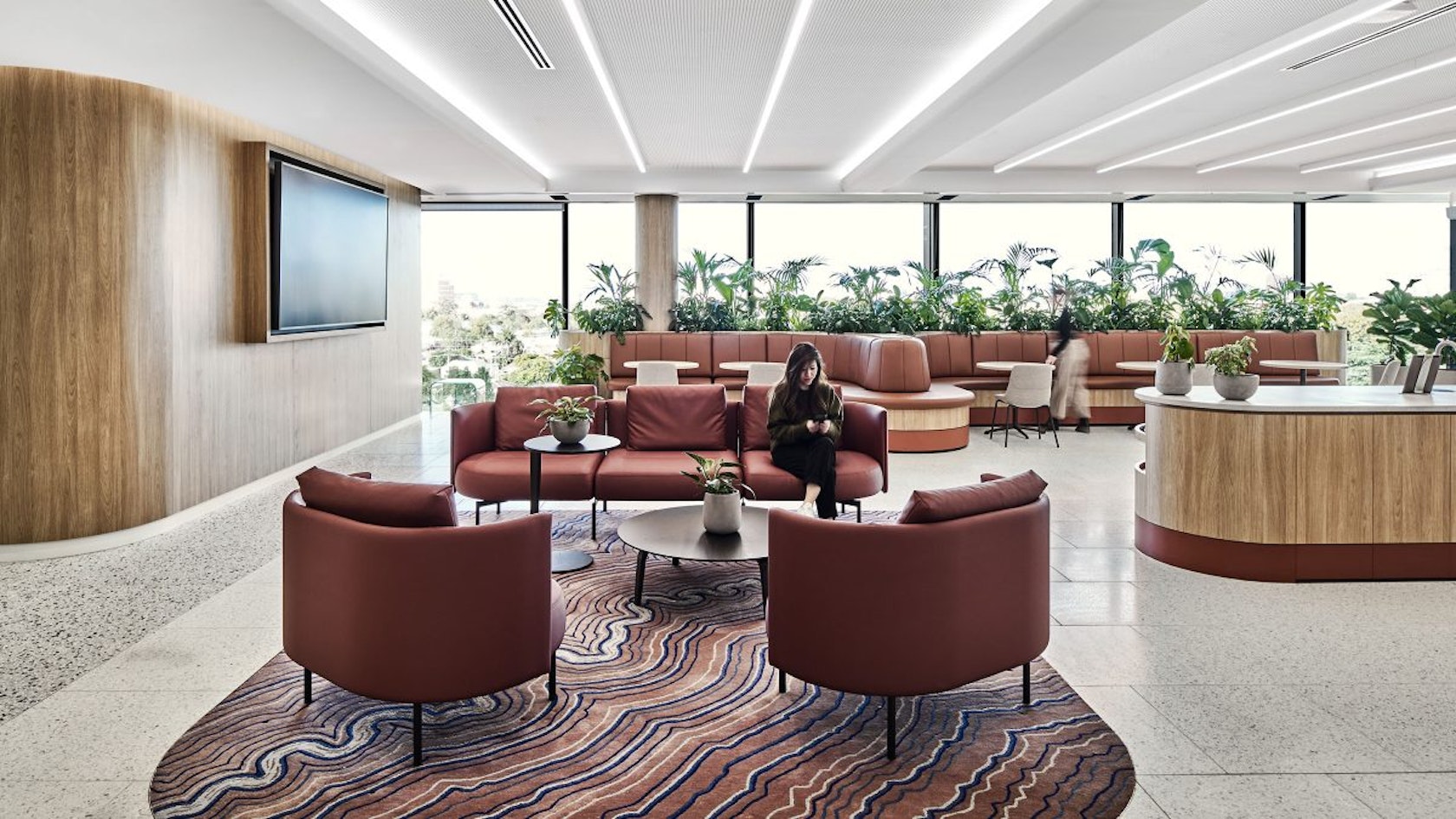
In the dense commercial hubs of Melbourne, spatial efficiency is often the defining factor of a successful office layout. For businesses operating out of boutique suites or heritage buildings, the reception area presents a unique architectural challenge. It must serve as a high-impact branding statement while remaining functional within a limited footprint.
The strategic selection of reception desks in Melbourne has evolved beyond mere aesthetics. For businesses navigating compact footprints, it is now a critical decision in spatial ergonomics. A well-considered desk acts as a navigational anchor, guiding visitors through the environment without creating physical or visual clutter.
The Psychology of First Impressions in Limited Spaces
Research into environmental psychology suggests that “compressed” entryways can inadvertently create a sense of stress for visitors. When a foyer feels crowded by oversized furniture, the brand perception can shift from “established” to “disorganised.” Conversely, a desk that is scaled correctly for the room suggests precision and attention to detail.
Geometry and Flow: Selecting the Right Footprint
When square footage is at a premium, the footprint of the desk is the most critical variable. Standard rectangular units often create awkward “dead zones” in corners, whereas bespoke geometries can reclaim that lost space.
The Efficiency of the Arc
Curved or semi-circular designs are particularly effective in Melbourne’s smaller office footprints. By removing sharp corners, these desks soften the transition from the doorway to the inner office.
- Fluidity: Curved surfaces allow for “grazing” traffic, where people can move past the desk without having to navigate around a protruding edge.
- Visual Softening: Arcs create a welcoming, inclusive feel that balances the rigid lines often found in commercial architecture.
Verticality over Breadth
In a narrow foyer, height can be used to compensate for a lack of width. A taller, tiered desk provides the necessary work surface for a staff member while keeping the overall “width” of the unit to a minimum. This ensures the counter remains functional for sign-ins and deliveries while leaving the walkway unobstructed.
Materiality and Light: Creating the Illusion of Space
The choice of materials significantly impacts how “heavy” a piece of furniture feels in a small room. Melbourne designers often utilise specific finishes to enhance the sense of space within a foyer.
- Reflective Surfaces: Incorporating glass, polished stone, or metallic accents can help bounce light around a dimly lit entrance, making the area feel more expansive.
- Recessed Bases: By using a “shadow gap” or a recessed plinth at the base of the desk, the unit appears to hover. This exposes more of the floor, which trickles into the peripheral vision and makes the room feel less occupied.
- Integrated Lighting: LED strips placed along the kick-plate or under the counter ledge can define the desk’s boundaries without requiring additional floor-standing lamps.
Integrating Functional Requirements
A compact desk must be a masterpiece of organisation. In a small Melbourne office, there is no room for external filing cabinets or cluttered tabletops. Custom-engineered reception desks professionals rely on must incorporate these elements internally:
- Concealed Cable Management: Power and data points should be built into the desk structure to prevent “cable creep” from ruining the clean lines of the entryway.
- Bespoke Storage: Instead of standard drawers, custom joinery allows for storage units that are measured to the exact dimensions of the business’s required stationary or tech hardware.
- Digital Integration: With the rise of digital check-ins, modern desks often feature recessed niches for tablets, ensuring technology is part of the design rather than an afterthought.
Planning for Longevity and Adaptability
While the immediate goal may be to fit a desk into a specific compact space, long-term business strategy should also be considered. Quality commercial joinery is an investment in a durable asset. Choosing high-grade laminates, timbers, or solid surfaces ensures the desk maintains its professional appearance despite high daily usage.
Furthermore, a modular approach to custom office desk design can allow for the desk to be adapted or expanded should the business move to a larger location in the future. This forward-thinking approach to furniture ensures that the aesthetic and functional value remains intact for years to come.
Elevating the Small Business Foyer
A compact office footprint is not a barrier to professional design. By focusing on the intersection of geometry, materiality, and integrated functionality, businesses can create entryways that rival much larger corporate headquarters. The right reception desk does more than just hold a computer; it defines the boundaries of the workspace and sets the tone for every professional interaction that follows.
 vinay
vinay  mindmingles