

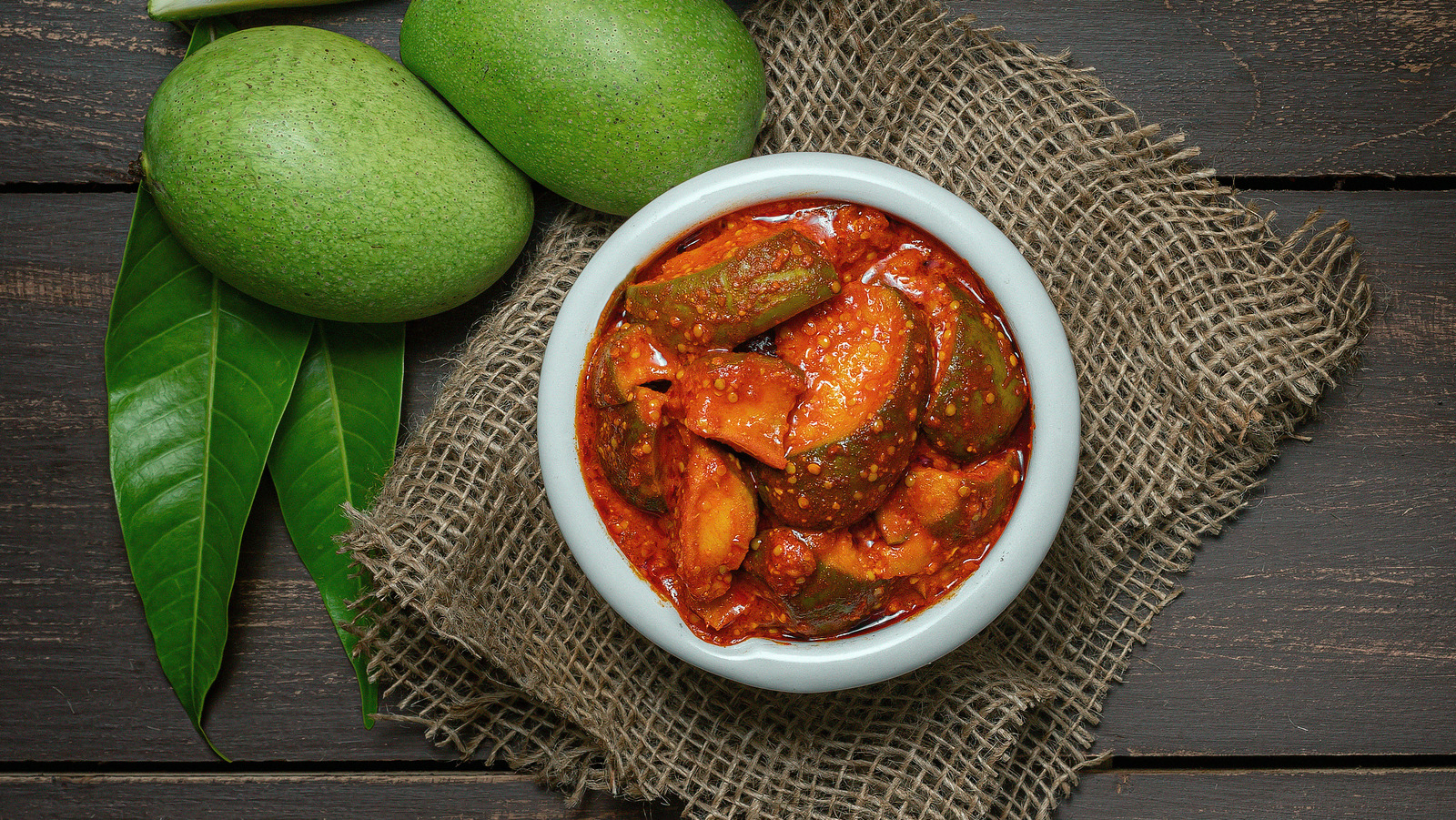
There is something timeless about mango pickle. It doesn’t matter whether you grew up in a bustling Mumbai apartment or a quiet village home; chances are, there was always a jar of aam ka achar sitting somewhere in the kitchen. It wasn’t just food; it was a constant. A spoonful next to dal-chawal, tucked into parathas for travel, or mixed into plain rice when nothing else was cooked.
Today, as people rediscover traditional flavours, many are searching for homemade achar online because they want that exact nostalgic taste, bold, balanced, and made the way grandmothers made it. This isn’t just about pickle. This is about why mango achar continues to reign supreme over every other condiment in the Indian kitchen.
That’s where brands like Nani ka Pitara step in, preserving the authenticity of slow-made mango achar without compromising on tradition.
Table of Contents
The Emotional Legacy of Aam Ka Achar
Mango achar is deeply tied to memory. The arrival of raw mangoes in summer would signal the beginning of pickle season. Households would buy kilos of firm, green mangoes. Women would gather to wash, dry, cut, salt, and spice them. The jars would then sit under the sun for days, sometimes weeks, slowly maturing.
It was a ritual, patient, methodical, and communal.
Unlike modern ready-made condiments, mango achar was never rushed. It required sunlight, timing, and intuition. Too much moisture would spoil it. Too little oil would dry it. The spice balance had to be just right.
Every family had its own slightly different version. Some added more fennel. Some leaned heavily on methi (fenugreek). Some preferred it fiery, others tangy. But the soul of mango achar remained the same, robust and unapologetically bold.
What Makes Mango Achar So Special?
There are many pickles in India, lemon, chilli, garlic, mixed vegetable, but mango achar holds a unique place. Its flavour profile is complex and layered.
First, there’s the sourness of raw mango. Then comes the heat of red chilli powder. The bitterness of fenugreek seeds adds depth. Fennel introduces subtle sweetness. Mustard seeds bring pungency. And mustard oil ties it all together with its sharp, earthy aroma.
When made traditionally, the spices are dry-roasted lightly before grinding. The mango pieces are sun-dried briefly to remove excess moisture. Salt is added generously to preserve the pickle naturally. Heated mustard oil is poured over the mixture, sealing it.
Over time, the mango pieces absorb the spices and oil. They soften slightly but still retain texture. The oil turns deep red, carrying intense flavour.
That maturation process is what makes homemade mango achar unbeatable.
The Art of Sun-Curing – Why It Matters
Sunlight is not optional in traditional mango pickle; it is essential.
After mixing mango pieces with salt and spices, the jar is kept in direct sunlight for several days. The heat helps release moisture from the mango and allows the spices to penetrate deeply. It also enhances preservation naturally.
In industrial production, this step is often replaced with artificial stabilisers or preservatives to speed up the process. But traditional sun-curing creates a richness that cannot be mimicked.
The gradual thickening of oil, the slight darkening of mango skin, and the intensified aroma are signs of a pickle that has matured properly.
This is exactly why many people prefer ordering from brands that focus on authenticity rather than mass production.
Regional Variations of Mango Achar
Mango achar is not a single recipe across India. It changes with geography.
In North India, the pickle is typically oil-heavy and robustly spiced, with generous use of mustard oil and coarse masalas.
In Gujarat, you’ll often find a slightly sweeter note added with jaggery.
In Andhra Pradesh, the famous avakaya pickle is fiery and intense, with large mango pieces coated in thick chilli powder and mustard.
Each variation reflects local climate, taste preferences, and culinary heritage.
Despite these differences, the core remains the same, raw mango transformed into something extraordinary through time and spice.
Why People Are Returning to Traditional Mango Pickles
Modern grocery shelves are filled with branded pickles, yet consumers are increasingly shifting back to small-batch, homemade-style options.
The reason is simple: taste and trust.
Mass-produced pickles often use excessive vinegar or preservatives to extend shelf life. The texture may feel overly soft. The flavour might be one-dimensional.
Traditional mango achar, on the other hand, offers depth. It tastes alive — evolving slightly as weeks pass.
That is why searches for homemade versions have grown significantly. People want something that feels real, something that reminds them of home.
Brands that preserve these methods are not just selling pickles; they are reviving culinary memory.
Perfect Pairings – How to Enjoy Mango Achar
While dal-chawal remains the classic pairing, mango achar is surprisingly versatile.
It adds punch to stuffed parathas. It complements curd rice beautifully. A small spoonful elevates khichdi instantly.
Some even spread a thin layer inside sandwiches for a spicy twist. Others mix a drop of pickle oil into plain rice with ghee for a quick comfort meal.
The oil itself carries so much flavour that even a few drops can transform a simple dish.
Mango achar is not meant to overpower; it is meant to enhance.
Storage and Care – Keeping Your Achar Perfect
To maintain the quality of mango achar, storage matters.
Always use a clean, dry spoon. Moisture is the biggest enemy of pickles. Ensure the mango pieces remain submerged in oil to prevent air exposure. Store the jar in a cool, dry place.
When handled correctly, mango achar can last for months, sometimes even improving in taste as it matures.
Traditional recipes were designed to preserve seasonal mangoes long after summer ended. That preservation logic still works today.
Mango Achar as a Symbol of Indian Culinary Identity
If there is one condiment that represents Indian home cooking, it is mango achar. It embodies boldness, balance, and tradition.
It doesn’t try to be subtle. It doesn’t try to be trendy. It simply delivers flavour in its most honest form.
In a world increasingly driven by quick fixes and shortcuts, mango achar reminds us of patience. Of sun-dried afternoons. Of hands stained yellow with turmeric. Of glass jars lined up like treasures.
And perhaps that is why, no matter how many new sauces or condiments enter our kitchens, mango achar continues to reign supreme.
Because it is more than food.
It is heritage in a jar.
 mindmingles