

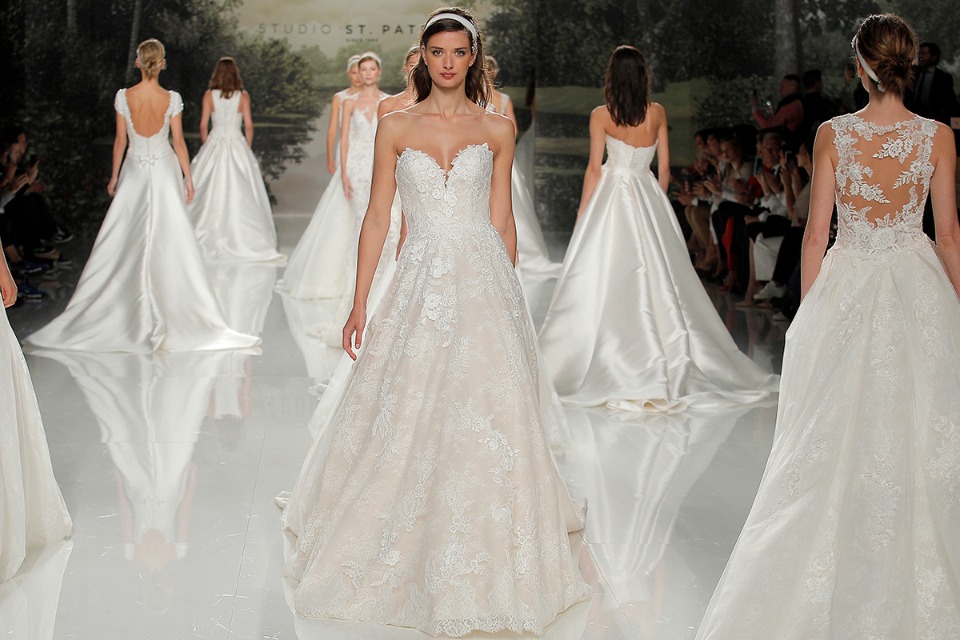
In a world where fashion is often defined by speed, scale, and constant change, there is something quietly powerful about clothing that is made by hand. It doesn’t shout for attention, yet it holds it. It doesn’t chase trends, yet it feels timeless. Handcrafted fashion exists in a space where patience replaces urgency, and intention replaces excess. It invites a different kind of appreciation, one that goes beyond how a garment looks and focuses on how it is made, who made it, and the journey it has taken before reaching the wardrobe.
Today, as conversations around sustainability, authenticity, and conscious living grow louder, handcrafted fashion is finding its place at the forefront of modern style. It reflects a deeper shift in the way people are beginning to view clothing, not as disposable items, but as meaningful pieces that carry value far beyond their surface. Brands like Agaati embody this philosophy by bringing attention back to the artistry behind fashion, where every garment is shaped through skill, care, and a deep respect for craft, whether it is an everyday silhouette or a special occasion dress created for life’s most meaningful moments.
Table of Contents
Understanding the Essence of Handcrafted Fashion
Handcrafted fashion is rooted in process. Unlike mass-produced garments that are created in large quantities through automated systems, handcrafted clothing is developed through hands-on techniques that require time, precision, and expertise. Every step, from cutting and stitching to finishing and detailing, is carried out with a level of attention that machines cannot replicate.
This approach creates garments that feel inherently different. There is a softness in the construction, a subtle irregularity that adds character, and a sense of individuality that cannot be duplicated. Even when two pieces are designed to look the same, they carry slight variations that make each one unique. This uniqueness is not seen as a flaw but as a mark of authenticity, a reminder that the garment has been shaped by human hands.
The materials used in handcrafted fashion also play a significant role. Artisans often work with high-quality fabrics that respond well to manual techniques. These fabrics are chosen not just for their appearance, but for how they drape, move, and age over time. The result is clothing that feels alive, evolving with wear rather than deteriorating.
The Human Connection Behind Every Piece
One of the most compelling aspects of handcrafted fashion is the connection it creates between the wearer and the maker. In mass production, this connection is often lost. Clothes are produced at such a scale that the identity of the person behind them becomes invisible. Handcrafted fashion, on the other hand, brings that human element back into focus.
Every garment carries traces of the artisan’s skill and experience. Years of practice are reflected in the precision of a stitch, the balance of a cut, or the finish of a seam. These are not just technical details; they are expressions of craftsmanship that tell a story.
Wearing handcrafted clothing often feels different because of this connection. There is an awareness that what you are wearing has been created with intention. It is not just a product, but a process made visible through form and texture. This awareness adds a layer of meaning that goes beyond style.
Craftsmanship as a Form of Expression
In handcrafted fashion, craftsmanship is not just a method; it is a language. It communicates through details that might otherwise go unnoticed but collectively define the essence of a garment. The way a fabric is folded, the precision of hand embroidery, or the subtle structure of a silhouette all contribute to a larger narrative.
This form of expression allows designers and artisans to collaborate in meaningful ways. Instead of simply executing a design, artisans bring their own expertise and interpretation into the process. This collaboration results in garments that feel layered, where design and craft exist in harmony.
The beauty of handcrafted fashion lies in this depth. It is not limited to visual appeal but extends into texture, movement, and construction. A well-crafted piece reveals itself over time, offering new details and nuances with each wear.
Preserving Heritage Through Modern Design
Many handcrafted techniques have deep cultural roots. They are often passed down through generations, carrying with them stories of tradition, community, and identity. In today’s fast-paced fashion industry, these techniques risk being overlooked or lost. However, the growing interest in handcrafted fashion is helping to preserve and revive these practices.
Designers are increasingly drawing inspiration from traditional crafts and reinterpreting them in contemporary ways. This creates a bridge between the past and the present, allowing heritage to evolve rather than remain static. Handwoven textiles, intricate embroidery styles, and age-old dyeing techniques are being reintroduced into modern silhouettes, giving them new relevance.
This preservation is not just about maintaining tradition; it is about valuing the knowledge and skill embedded within it. By supporting handcrafted fashion, consumers contribute to keeping these crafts alive, ensuring that they continue to be practiced and appreciated.
The Emotional Value of Handcrafted Clothing
There is a certain emotional resonance that comes with owning handcrafted clothing. It often becomes more than just a piece of fashion, it becomes a part of personal memory. Because these garments are not mass-produced, they tend to hold a sense of rarity and significance.
Over time, handcrafted pieces develop a character of their own. They soften, adapt, and change in subtle ways, reflecting the experiences of the person wearing them. This evolving nature creates a deeper bond between the garment and its owner.
Unlike trend-driven fashion, which often feels temporary, handcrafted clothing carries a sense of permanence. It encourages a slower relationship with fashion, where pieces are worn, cared for, and valued over time rather than quickly replaced.
A More Thoughtful Approach to Fashion
The rise of handcrafted fashion also reflects a broader shift towards more thoughtful consumption. As people become more aware of the impact of their choices, there is a growing preference for quality over quantity. Handcrafted fashion aligns naturally with this mindset.
Because these garments require time and effort to create, they are often produced in smaller quantities. This reduces waste and promotes a more sustainable approach to fashion. It also encourages consumers to be more intentional in their purchases, choosing pieces that truly resonate with them.
This shift is not about restriction but about refinement. It is about building a wardrobe that feels considered, where every piece has a purpose and a story. Handcrafted fashion supports this approach by offering garments that are designed to last, both in terms of quality and relevance.
Redefining Modern Luxury
In many ways, handcrafted fashion is redefining what luxury means today. It moves away from the idea of excess and towards something more meaningful. True luxury is no longer just about price or exclusivity; it is about craftsmanship, authenticity, and the story behind a piece.
A handcrafted garment represents hours of work, skill, and dedication. It reflects a process that values detail and precision. This makes it inherently valuable, not because of branding, but because of the effort and expertise involved in its creation.
This new definition of luxury feels more personal and grounded. It resonates with individuals who are looking for depth rather than display, and substance rather than surface.
Fashion Has Evolved
As the fashion industry continues to evolve, handcrafted fashion is becoming more than just an alternative, it is becoming a foundation for a more conscious future. It offers a way to reconnect with the origins of clothing, to appreciate the journey from raw material to finished garment.
There is a growing recognition that fashion does not have to be fast to be relevant. It can be thoughtful, intentional, and deeply rooted in craft. Handcrafted fashion embodies this perspective, offering a path that values both creativity and responsibility.
In the years ahead, this approach is likely to gain even more momentum. As consumers continue to seek authenticity and meaning, handcrafted fashion will remain a powerful expression of both.
In the end, what makes handcrafted fashion truly special is not just how it looks, but how it feels, to wear, to own, and to understand. It is a reminder that behind every garment, there is a story waiting to be told, shaped by hands, guided by skill, and brought to life through craft.